
Hip Dysplasia in Frisco, TX
At Concierge Vet Club, your pet’s comfort and mobility are our top priorities. Our experienced veterinary team provides advanced solutions for hip dysplasia right in your home.
Understanding Hip Dysplasia
Hip dysplasia is a genetic condition where the hip joint doesn’t fit together properly, leading to pain, reduced mobility, and arthritis over time. Dogs of all breeds, especially larger ones, can be affected, but cats are susceptible as well. Early detection and treatment are vital to improving your pet’s quality of life.
The veterinary team at Concierge Vet Club uses a combination of digital radiology and hands-on orthopedic assessments to accurately diagnose hip dysplasia in pets. Untreated, hip dysplasia can cause chronic pain, reluctance to move, and significantly impact daily activities.
Fortunately, modern veterinary medicine offers many options to reduce pain and restore mobility. Our tailored approach includes surgical procedures and supportive therapies to help your pet enjoy a comfortable, active life. We bring specialized hip dysplasia care to families in Frisco and surrounding communities, ensuring convenience without compromise.
What to Expect During Hip Dysplasia Care in Frisco
Your pet’s comfort and well-being come first throughout the hip dysplasia evaluation and treatment process at Concierge Vet Club. Our goal is to minimize stress and maximize results.
Comprehensive Orthopedic Examination
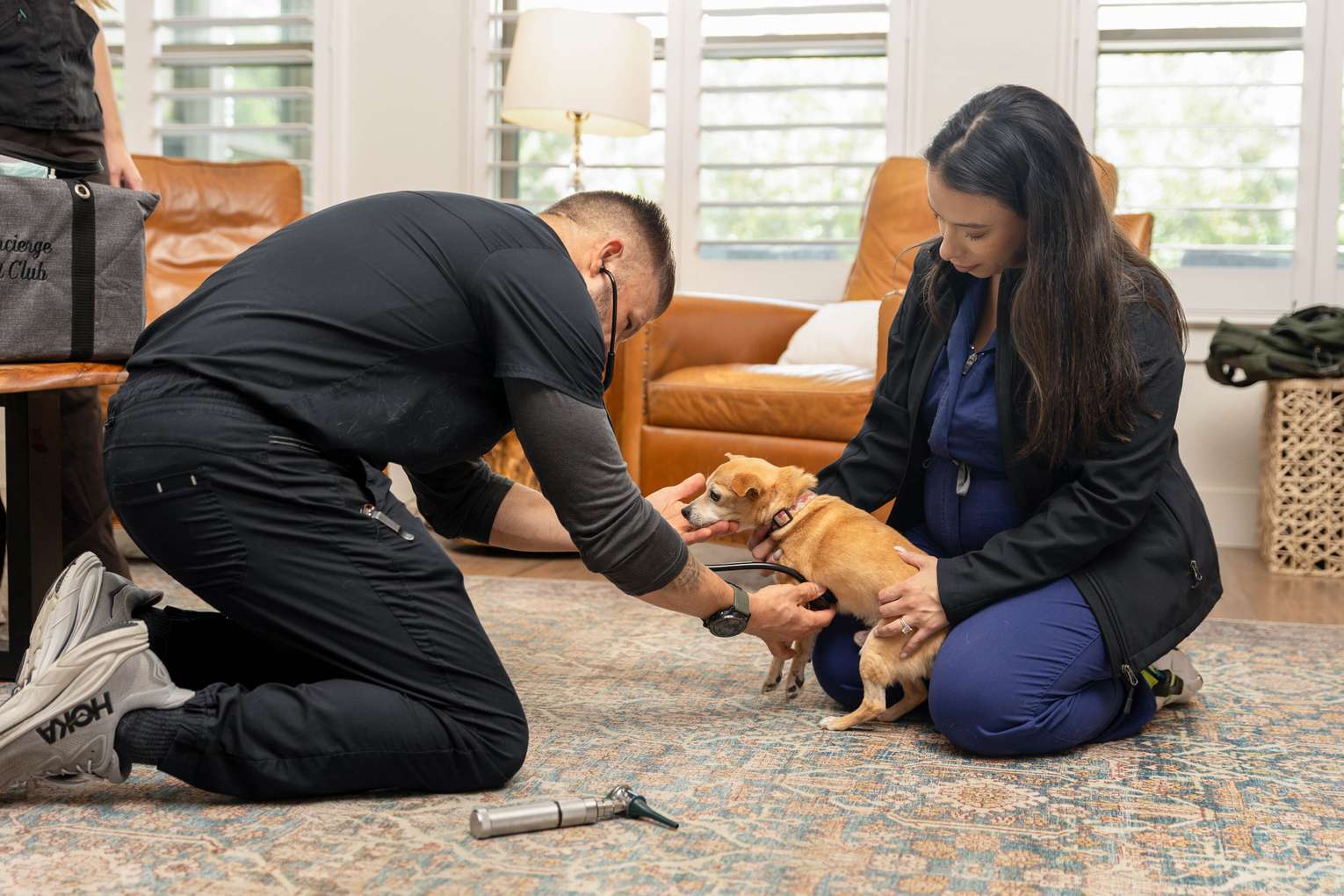
Our veterinarians start with a thorough physical exam and gait assessment to evaluate pain, lameness, and joint function. This gentle, hands-on approach identifies subtle signs of discomfort and mobility issues. Whenever possible, we complete this orthopedic assessment right in your home environment to keep pets relaxed.
Advanced Diagnostic Imaging
We use digital radiology to confirm hip dysplasia, assess severity, and guide treatment plans. Our mobile diagnostic capabilities mean precise, timely imaging without the need for stressful vet hospital visits. Your pet’s X-rays help us tailor their care and determine the best intervention.
Treatment Options: Surgical and Non-Surgical
Depending on your pet’s age, size, and degree of hip dysplasia, our veterinary team may recommend surgical intervention, such as femoral head ostectomy (FHO) or total hip replacement. Non-surgical options, including medication, weight management, and physical therapy, are also available for milder cases or for pets not suited for surgery.
Compassionate Support and Aftercare
Our team will guide you every step of the way, from pre-operative preparation to post-surgical recovery and at-home rehabilitation. We offer in-home follow-ups and telemedicine check-ins with Dr. Julius to monitor progress and adjust care for your pet’s best outcome.

Why Hip Dysplasia Treatment is Important for Your Pet
Ignoring hip dysplasia can lead to ongoing pain and serious long-term joint damage. Early intervention helps preserve mobility, prevent further deterioration, and keeps your pet active for years to come.
Improved Comfort and Mobility
Treating hip dysplasia relieves chronic pain, increases range of motion, and helps your pet regain confidence moving and playing. Relief starts with the right veterinary plan.
Prevention of Arthritis and Joint Damage
Addressing hip dysplasia before significant degeneration develops can slow or stop arthritis progression. Proper care reduces inflammation and keeps hips healthier longer.
Enhanced Quality of Life
Pain-free movement means your pet can enjoy walks, playtime, and family time without hesitation. Our personalized treatment supports a fulfilling, happy life for your companion.
Signs Your Pet May Need Hip Dysplasia Care
Pets with hip dysplasia may show only mild symptoms at first, which worsen gradually. If you notice any of these signs, schedule an evaluation promptly:
- Limping or hind leg lameness
- Difficulty rising or using stairs
- Reluctance to run, jump, or play
- Bunny-hopping gait
- Decreased activity or persistent discomfort
If you suspect hip dysplasia or any mobility changes, contact Concierge Vet Club. Only a veterinarian can provide an accurate diagnosis and recommend appropriate care.
How Often Should Your Pet Be Evaluated for Hip Dysplasia?
Larger breed puppies and at-risk dogs should be screened as early as 4-6 months old. Adult pets displaying symptoms should have a prompt orthopedic evaluation. If your pet has been diagnosed with mild hip dysplasia, regular monitoring and follow-up with our veterinary team are essential; this helps us track progression and adjust the care plan as needed. Annual wellness checks, especially for larger breeds, help us detect problems early and keep your pet feeling their best.
Practice Highlights
Concierge Vet Club stands out for our commitment to comfort, convenience, and comprehensive care. Here’s what sets us apart:
- In-Home Exams and Procedures: Specialized care in the comfort of your own home
- Digital Radiology and Advanced Orthopedic Diagnostics
- Board-Level Surgical Skills: Led by Dr. Julius, Official Vet of The Dallas Cowboys
- Safe, Stress-Free Pet Transport when needed for surgery or imaging
- Free 365-Day Telemedicine with membership
- Serving Frisco and Surrounding Communities

Frequently Asked Questions
What is hip dysplasia in pets, and how is it diagnosed?
Hip dysplasia is a condition where the hip joint doesn’t develop normally, causing pain and reduced mobility. Our team uses a physical exam and digital radiology to accurately diagnose hip dysplasia in your pet, often during an in-home visit. For advanced diagnostics or treatment, we offer safe pet transport and personalized care plans. If you’re concerned, contact us at (972) 332-1814.
How much does hip dysplasia treatment cost, and how long does recovery take?
The cost varies based on your pet’s specific needs, testing requirements, and chosen treatment (surgical or non-surgical). Recovery can range from a few weeks for minor interventions to several months for more advanced procedures. During your consultation, we’ll clearly outline options, anticipated costs, and expected recovery timelines. Reach us at (972) 332-1814 for more details.
How should I prepare my pet for hip dysplasia surgery or treatment?
For surgery, we may recommend fasting your pet and ensuring a calm environment before arrival. Our team will give you specific instructions for pre- and post-operative care, including medication schedules and activity restrictions. If you have questions about preparation, please call (972) 332-1814 and our veterinary team will assist you.
What are the main benefits of early hip dysplasia treatment in dogs and cats?
Early detection and treatment can reduce pain, slow joint deterioration, and maintain your pet’s mobility for longer. Addressing hip dysplasia promptly means your pet is less likely to develop severe arthritis or permanent discomfort. Schedule an evaluation with Concierge Vet Club to help your pet stay healthy and active.
How do I schedule hip dysplasia treatment, and where do you serve?
To schedule a hip dysplasia evaluation or treatment, call (972) 332-1814. Concierge Vet Club provides in-home service in Frisco and nearby communities, Monday through Friday, 10am–6pm.
Schedule Your Pet's Hip Dysplasia Appointment Today
If your pet shows signs of hip pain or struggles to move comfortably, our veterinary team is here to help. Concierge Vet Club brings advanced hip dysplasia diagnostics and treatment to families across Frisco and surrounding communities. Call (972) 332-1814 or request an appointment for a convenient, compassionate in-home visit. We serve Frisco and the North Dallas area, Monday through Friday from 10am to 6pm. Let us help your pet regain mobility and comfort, trust your partner in lifelong pet health.